
Speaking to Media: Kelly Boutsalis
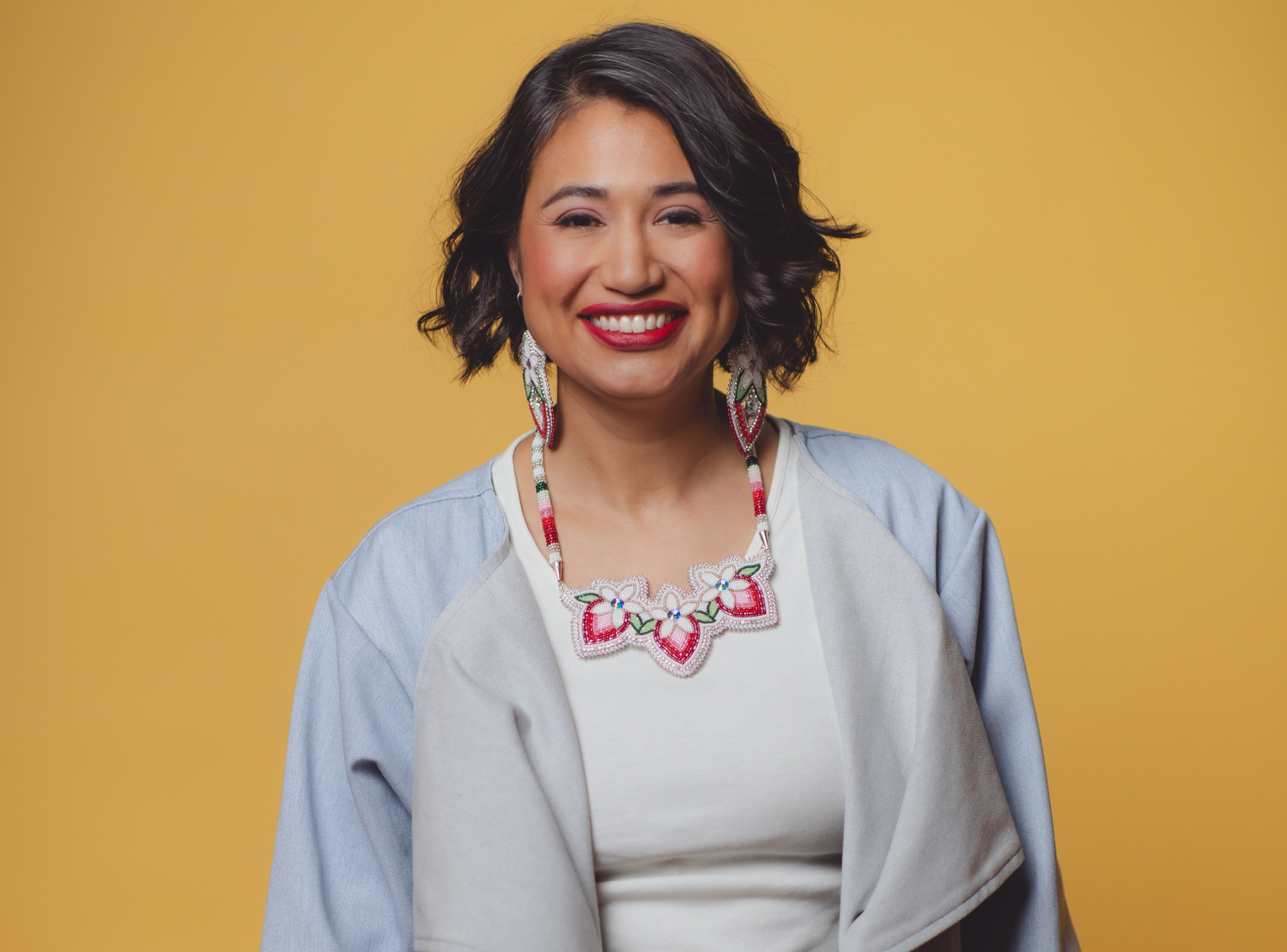
Next up in our Speaking to Media series Meet Kelly Boutsalis, a Mohawk Freelance Journalist whose work has been featured in Elle Canada, Toronto Star, Refinery29, The Narwhal, The Walrus, Chatelaine and New York Times. With an Indigenous background, Kelly is able to grow her storytelling and give the Indigenous community a chance to be heard. Keep reading to see how Kelly’s background shaped her career.
You’ve built an impressive career highlighting Indigenous voices and perspectives in media. What has been the most rewarding part of this journey for you?
When I’m interviewing someone – an Indigenous expert in their field – and they are relieved to find out that I’m the one writing about them. There aren’t many of us in these spaces, and with the track record of how poorly Indigenous people have been depicted in media, it’s comforting to them that I’ll be taking care of them. They’re trusting me with their story, and I feel the responsibility and weight of that.
How has your background in journalism shaped your approach to storytelling and the narratives you choose to amplify?
I feel like it gave me the legitimacy to be in these spaces. It provided the background for me to grow my storytelling from the early days of my writing to where I’m at today, and it also showed me how often Indigenous voices are excluded or misrepresented. Both of those elements gelled together for me when I realized, “Oh, here’s something I can do to fix that.”
What do you think mainstream media still gets wrong about Indigenous representation, and how can it do better?
So many times a story sits in the trauma, unnecessarily when the story doesn’t call for it. Or publications only reach out to have coverage during specific times – Indigenous History Month, or the National Day for Truth and Reconciliation. It can do better in realizing that Indigenous people are in way more fields than they probably expect and that our experts might not have the credentials they’re used to, but they are certainly experts in their own way.
Your work spans culture, fashion, and investigative reporting. How do you approach balancing these different areas in your writing?
In my day-to-day life, I don’t often have the nerve to ask someone, “Why do you do that?” or “How do you do that?” and writing gives me the permission to ask those questions. My curiosity applies to film and television and fashion, many of which I have an appreciation for, so I try to bring that same fascination into all of my writing.
What makes a story stand out to you, whether you’re pitching or receiving a pitch?
It’s something that strikes me as a new and exciting idea or talent, or something that hasn’t been covered much, then I’d love to be the person to give that story space. I love a story with a new angle or an unexpected point-of-view that hasn’t been covered before.
How do you keep your features fresh and engaging while staying true to the subjects you cover?
I do a lot of research on what has already been said or written about the subject. That goes beyond print, so that includes YouTube interviews and podcasts. I try to ask new questions to the subject and in the actual writing of it, I hope to answer the reader’s questions, while at the same having a lot of respect for the subject at hand, and anyone interviewed.
What’s a recent story or project you’ve worked on that you’re especially proud of?
I did a personal journalism essay for Hazlitt that I felt was special. I wrote about how land acknowledgements have infiltrated our spaces, and how three generations of my family interact and feel about them.
What advice would you give to Indigenous journalists looking to carve out space in media?
Your voice would be so welcomed. I speak to many Indigenous journalism classes and I rarely, if ever, have Indigenous students in those talks. We need many more journalists in these spaces, and in those where we don’t have a foothold in. My advice would be to reach out to any one of us for guidance, including myself.
What’s next for you — are there any upcoming projects or collaborations you’re excited about?
There’s a web series I moderated that I can’t wait to see come out, with The Shine Network. I led four groups of Indigenous actresses to talk about their experiences in media, which was a dream come true assignment. I am also co-writing a book with speaker and Olympian athlete Waneek Horn-Miller on re-thinking success from an Indigenous POV. That should be published by HarperCollins in 2026.
–
Want more of our Speaking to Media series? Check out our interview with Bailey Grant, fashion, beauty and lifestyle writer.