
Speaking to Media: Ben Kriz
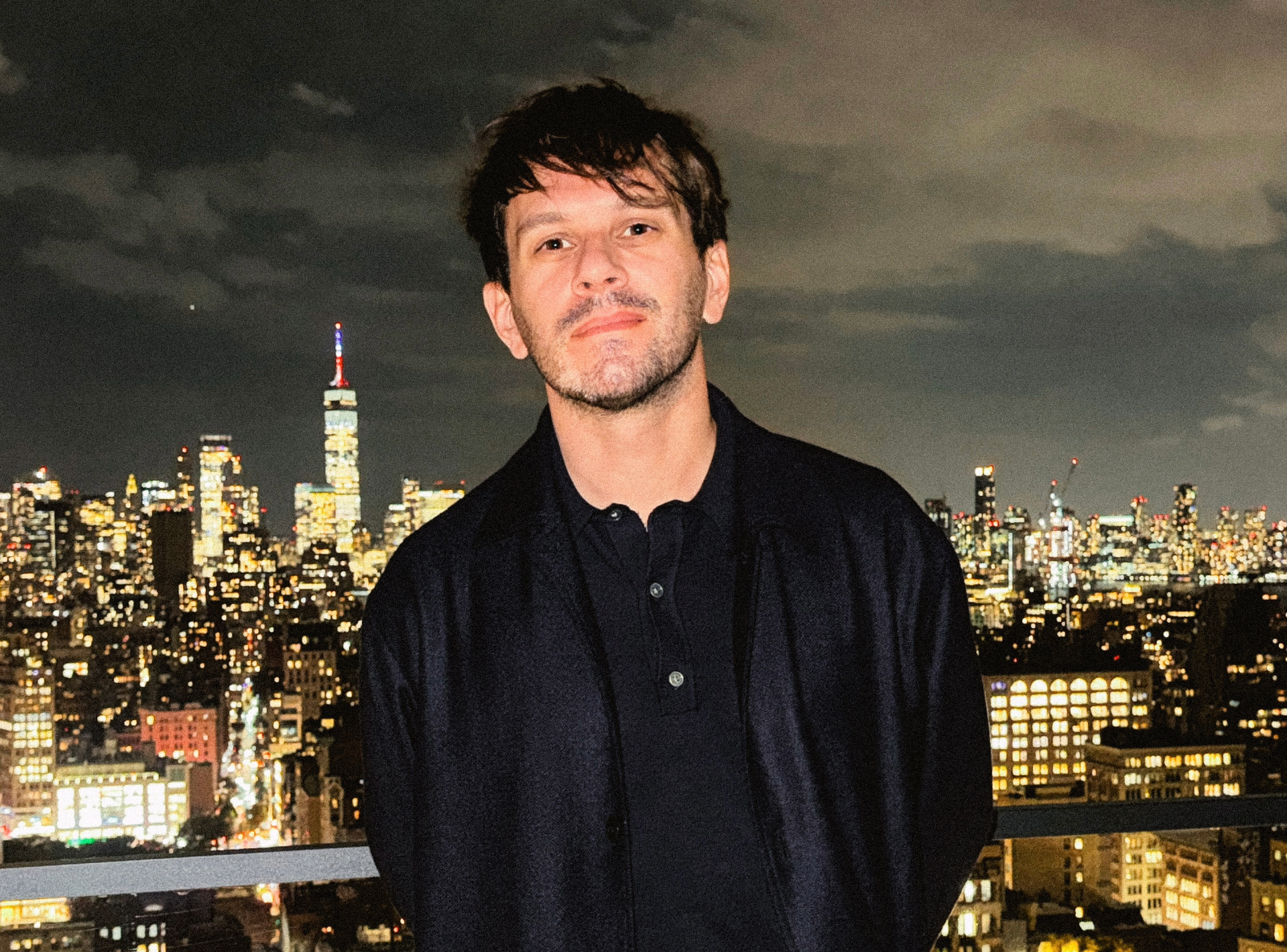
Next up in our Speaking to Media series, meet Ben Kriz, a menswear and culture journalist whose work has appeared in GQ, SHARP, NUVO, The Globe and Mail and more. With a background spanning broadcast journalism, PR and editorial leadership at brands like Frank & Oak and Harry Rosen, Ben brings a sharp, reporting-driven approach to fashion coverage, rooted in cultural context, craft and a clear point of view.
What first pulled you into journalism?
I studied Broadcast Journalism in Calgary, vaguely imagining a future in sports of some kind. But in the end, I didn’t really know what I wanted to do with it, if I’m totally honest. Fast-forward a few years and I graduated from the Communication Studies program at Concordia in Montréal. I scored a PR internship out of that at a men’s general interest website. Like 10% of that role was writing blog posts and after a while, some writers/editors in the editorial department sort of said to me, hey you’re good at this, and brought me over to their department part-time after my internship. They were the first people who took notice of my writing and encouraged me. It really got me thinking in a different way about what was possible
From there, I got a copywriting role at Frank & Oak in the second year of its existence. It was really blowing up at the time; it was super fast-paced and an exciting place to be. A few years later, I was looking to get out of Montréal and moved to Harry Rosen as managing editor, where I led content strategy across print, digital and social. The two roles were in retail/fashion, but very different. But together they gave me a deeper, practical education in both marketing and communications and in menswear itself.
Now it’s been really interesting to take that experience and parlay it into magazine work.
How did menswear and culture become your lane?
Well, my work experience certainly helped, but even before that, I’ve always been drawn to culture — I devoured it as a kid. I grew up in a small town and TV and the internet were my escape. Magazines were huge as well. I read Spin religiously and like a lot of people, music was my gateway into fashion. You start paying attention to how musicians dress, what certain scenes look like and how style signals identity before you even realize that’s what you’re doing. The Strokes were pretty huge for me…style was like half of their act if you think about it.
Later, I tore through every issue of GQ, which helped me understand menswear not just as clothes, but also the rules and how to pull it together. And then, like I said, that knowledge eventually brought work.
You’ve written for GQ, SHARP, NUVO and other titles with distinct voices. How do you balance storytelling across publications while keeping your own perspective consistent?
Well, I guess the consistency comes from my point of view; the adjustment is in how that point of view is translated for each audience. But just having a point of view is the most important thing. Early on, working in-house, I learned how to build a brand voice from scratch, then later how to modernize a legacy one without losing what made it trusted in the first place.
Now that I’m writing more for magazines, my own perspective comes through more naturally, but I’m still very conscious of audience. Now, writing for magazines, my own perspective comes through more naturally — but audience still matters. GQ might be speaking to fashion-savvy readers or someone who just Googled “best shirt,” while The Globe and Mail is about sharing insider knowledge in a way that makes a broad Canadian audience think, oh, that’s interesting.
When a pitch comes in, what makes you think “there’s a story here,” and how does it go from that moment to a finished piece?
I mean, this is pretty classic, but it’s true. I’m looking for the so what? Then I’m thinking about who, if anyone, I write for would be interested. From there, it’s reporting: talking to the right people, getting hands-on with the product, seeing if there’s real access to the people behind the pitch, and pulling out the details that make it interesting.
What makes a brand or designer feel like a good fit for the kinds of stories you tell?
Ideally, it’s a brand that hasn’t been written about to death — or, if it has, there’s still something genuinely new to say. Anyone can start a brand now, so I’m always asking: so what? Are they filling a real gap, doing something interesting in how the product is made or serving a customer that actually exists beyond media hype?
What really hooks me is context. I recently wrote about a local family-owned knitting mill that now produces its own garments. Canadian manufacturing is almost nonexistent at this point, so that that away makes me perk up. I want to tell that story. By the way, that story came from a PR professional reaching out and inviting me to check out the factory. I didn’t have a guaranteed story, but it helped me understand what was going on. I kept that experience in mind and it turned into something months later.
PR professionals are always trying to stand out in inboxes. What makes you open an email versus ignore it?
I learned to write an enticing subject line early in my career, which never hurts but the quickest way to lose me is a mass email that clearly hasn’t considered what I write about or where it might fit. If you can show, even in a small way, that you understand my interests, the outlets I contribute to and why this story makes sense now, I’m much more likely to reply. Also, booking a call/Zoom and speaking to people one one-on-one can go a long way. Don’t be afraid to pick up the phone.

Outside of writing, what keeps you inspired?
It’s a cliché, but travel genuinely does it for me. Being out in the world sharpens your sense of what culture actually looks like on the ground: how people dress, where they gather, versus what’s just online. I also love talking to shop owners about what’s new and interesting for them. Restaurants do the same thing in a different way: they tell you a lot about a place.
All of that feeds back into the work. Even when I’m writing about clothes, I’m usually thinking about how they live in the real world: who wears them and what kind of life they’re part of.
For emerging writers hoping to break into fashion journalism, what advice would you give them?
Get as close to the thing you want to write about as possible. Again, you have to be out in the world, getting your hands dirty — having a real connection to fashion makes a huge difference. Even something as simple as working a retail job can teach you an enormous amount about product, people, and how clothes actually function.
Beyond that, do the work. Launch the Substack, start the blog, email the emerging designer you’re curious about and ask questions (people are generally pretty willing to talk about themselves). Entire careers have started with Tumblr or personal blogs. Genuine curiosity and consistency can take you places!
Want more of our Speaking to Media series? Check out our interview with Lindsey King, a voice-driven, multidisciplinary journalist.